Desserts
Baking is the one part of home cooking where the instructions genuinely matter. Savoury cooking forgives improvisation; a cake is a chemistry experiment where the ratios decide whether you get a crumb or a brick.
So the recipes here are specific about the things that actually change the outcome — the temperature of the butter, whether the flour is spooned or scooped, how long the dough rests — and relaxed about the things that don't. Where a step exists to prevent a common failure, the recipe says which failure.
Getting Desserts right
Weigh your flour, or at least stop scooping it
Dipping a measuring cup into the bag compacts the flour and can add 20% more than the recipe intends, which is the difference between a chewy cookie and a dry one. If you're not weighing, spoon flour lightly into the cup and level it off with a knife. This one habit fixes more baking than any other.
Room-temperature butter means cool, not soft
Properly softened butter holds a fingerprint but doesn't give way — around 65°F/18°C. Butter left somewhere warm goes greasy and can't hold the air you beat into it, which is why the cake comes out dense. If it looks shiny or slumps, it's too warm; chill it briefly and start again.
Your oven is lying to you
Most domestic ovens run 15–25°F off their dial, and they swing further as the element cycles. An oven thermometer costs very little and explains a startling number of baking failures. Bake to the visual cue the recipe describes — set edges, a dry skewer, a particular colour — and treat the stated time as an estimate.
Underbake cookies on purpose
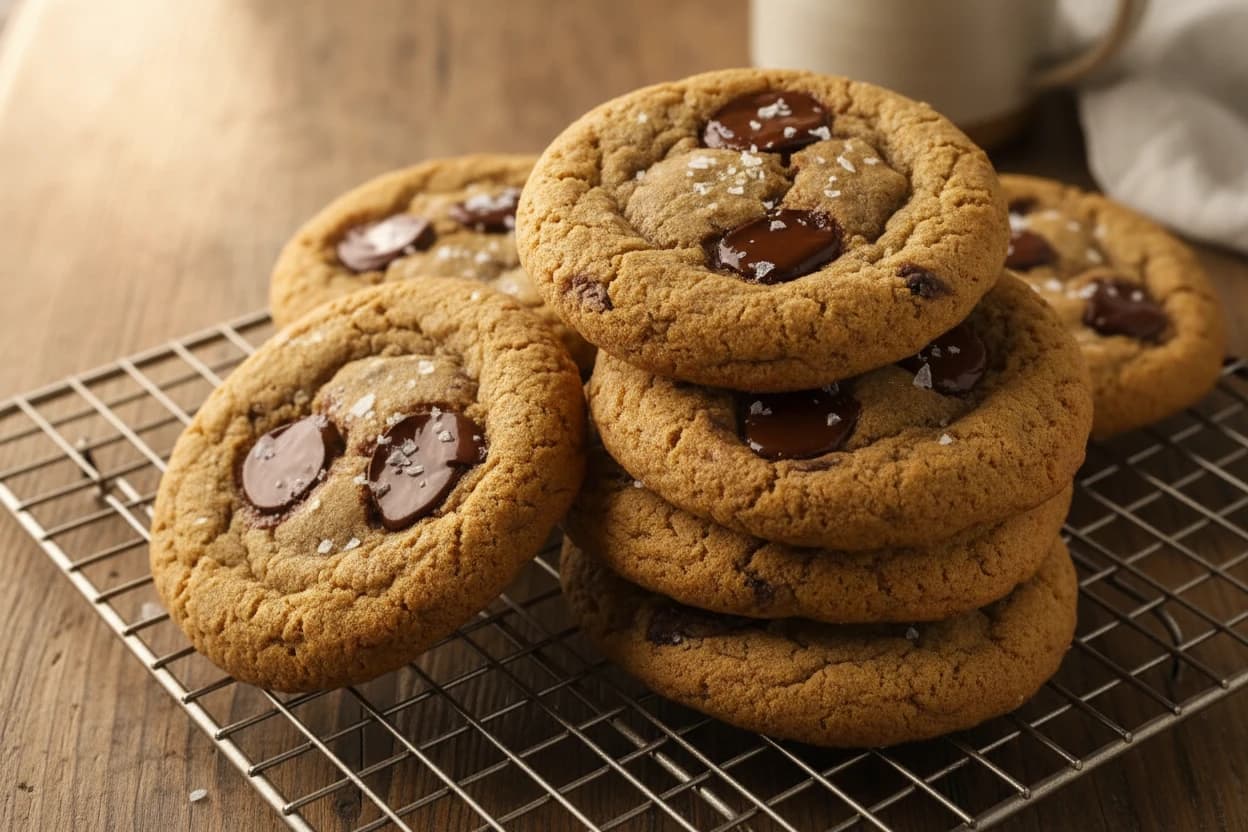
Cookies keep cooking on a hot tray for several minutes after they leave the oven. Pull them when the edges are set and the centres still look slightly underdone and puffy. A cookie that looks done in the oven is a crisp cookie by the time it's cool.